

About
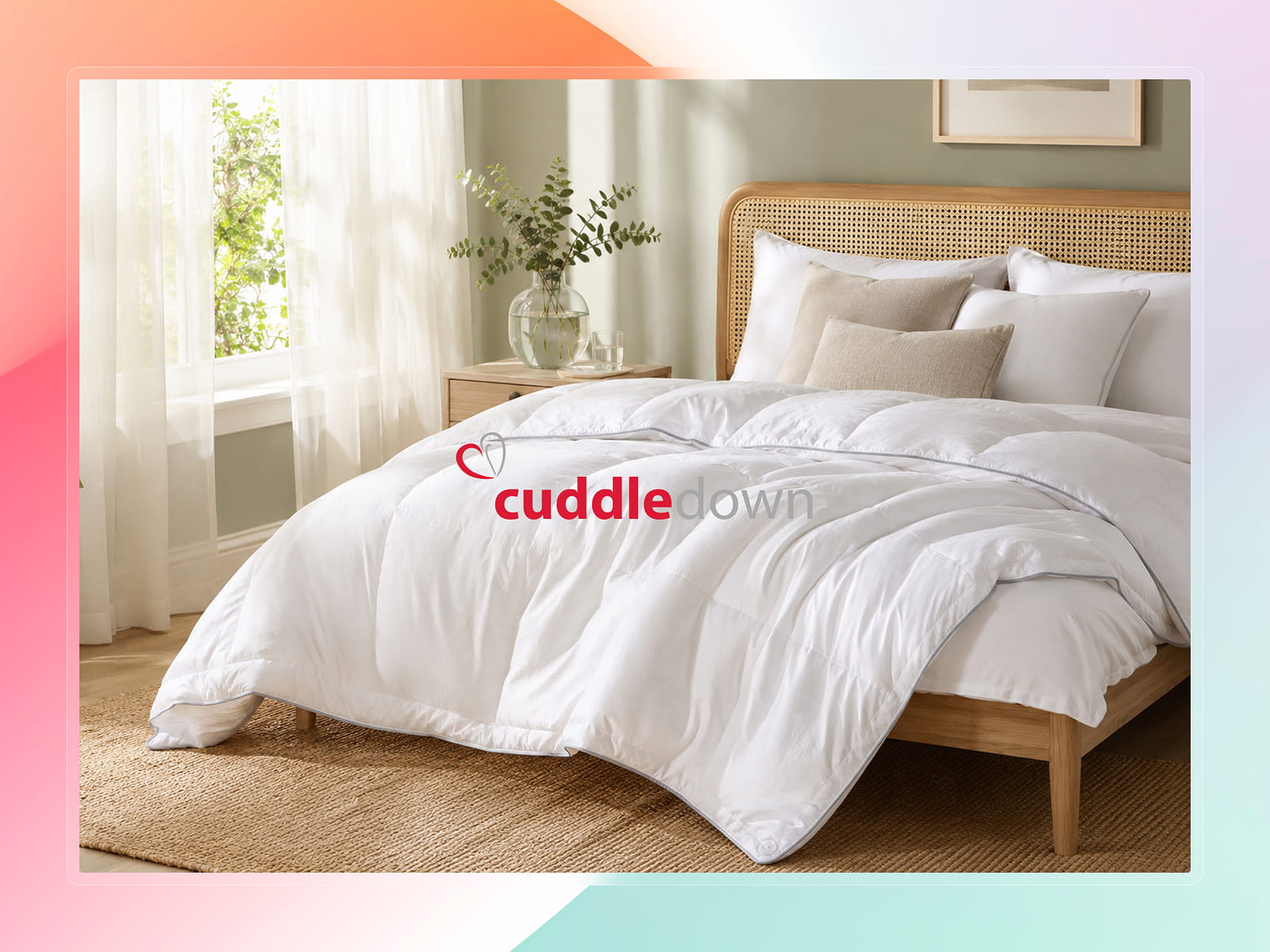
Cuddledown is a premium e-commerce bedding brand specialising in luxury duvets, pillows and bedding, including Hungarian and Siberian goose down products.
After more than a decade of running paid advertising, the brand had strong foundations but had reached a point where growth was becoming increasingly difficult.
We were brought in to improve profitability, unlock scale and build a more effective acquisition strategy.
Within six months, we increased Google Ads ROAS from approximately 3x to 5x, while scaling monthly Google Ads spend from around £7–10k to £30k. At the same time, we launched Meta as a new acquisition channel and helped increase email revenue by approximately 20%.
The Challenge
Strong brand. Limited scalability.
Cuddledown had been running Google Ads for approximately 11 years, but the account had become heavily reliant on existing brand demand.
Performance was around 3x ROAS, but increasing spend resulted in diminishing returns.
There were also several underlying issues affecting performance:
Inaccurate tracking
Duplicate conversion tracking was skewing account data and making it harder to establish a reliable view of performance.
Over-reliance on branded searches
A significant proportion of Google Ads revenue was coming from people already searching specifically for Cuddledown.
Highly competitive search landscape
Generic searches such as "duvet" and "bedding" generated significant competition and could attract customers looking for lower-priced products that weren't aligned with Cuddledown's premium positioning.
Website conversion opportunities
The product experience wasn't fully communicating the quality and differentiation of the products or making the buying process as straightforward as it could be.
The objective
The brief was straightforward: achieve a sustainable 4.5–5x ROAS while significantly increasing the level of profitable customer acquisition.
What We Did
01. Fix the foundations
Before scaling spend, we needed confidence in the data.
We identified and addressed duplicate tracking that was distorting conversion reporting, giving us a much clearer picture of actual campaign and product performance.
This provided the foundation for making more informed decisions about where to increase investment, and where to cut it.
02. Turn the website into a stronger conversion tool
Paid media can only perform as well as the experience customers receive after the click.
We therefore looked beyond the advertising account and improved the product journey. Key changes included:
- Optimising product pages
- Improving the overall landing-page experience
- Making product information easier to understand
- Clearly explaining tog ratings for customers unfamiliar with bedding terminology
- Making it easier for customers to select the right product
- Introducing a two-pillow upsell to increase basket value
These were relatively simple changes, but they helped remove friction from the buying journey and gave paid traffic a stronger environment in which to convert.
03. Rebuild Google Ads around buying intent
Rather than simply chasing more search volume, we focused on finding the right customers.
We restructured the account to separate branded activity and gained greater visibility over true non-brand acquisition.
We then identified the searches demonstrating the strongest commercial intent, including searches relating to:
- Luxury bedding
- Premium duvets
- Hungarian goose down
- Siberian goose down
- Specific high-performing products
We also analysed where budget was being wasted, identifying keywords and search activity that were generating spend without sufficient conversion value.
Budget was subsequently redirected toward the areas demonstrating stronger commercial potential.
The principle was simple: Don't buy more traffic. Buy more of the right traffic.
04. Introduce controlled customer acquisition
One of the biggest opportunities was moving beyond existing brand demand.
But expanding reach too aggressively could have damaged profitability.
We therefore introduced top-of-funnel activity in a controlled manner, using performance targets to determine how far we could scale.
This allowed Cuddledown to begin reaching potential customers who weren't already searching for the brand, while maintaining a commercially viable return.
The result was a shift from simply harvesting existing demand to creating additional demand that could be converted profitably.
05. Add Meta as a new acquisition channel
We also launched Cuddledown on Meta, introducing both:
- Prospecting: reaching potential customers who had not previously interacted with Cuddledown.
- Retargeting: re-engaging visitors and potential customers who had already shown an interest in the brand.
Meta provided an additional route to market and reduced the reliance on search-based demand alone.
The channel was scaled to approximately £10–15k per month while achieving around 5x ROAS.
06. Strengthen retention through email
Acquisition was only one part of the opportunity.
We also identified significant potential within Cuddledown's existing customer database.
The previous approach relied heavily on repeatedly sending campaigns to the entire list.
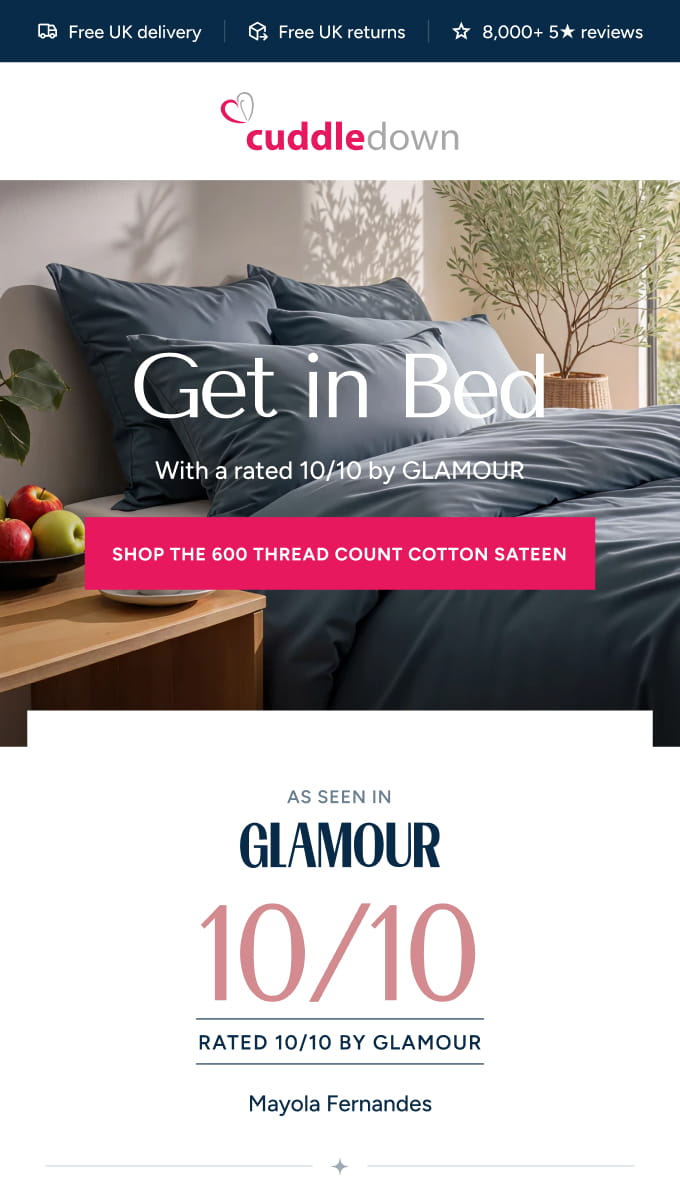
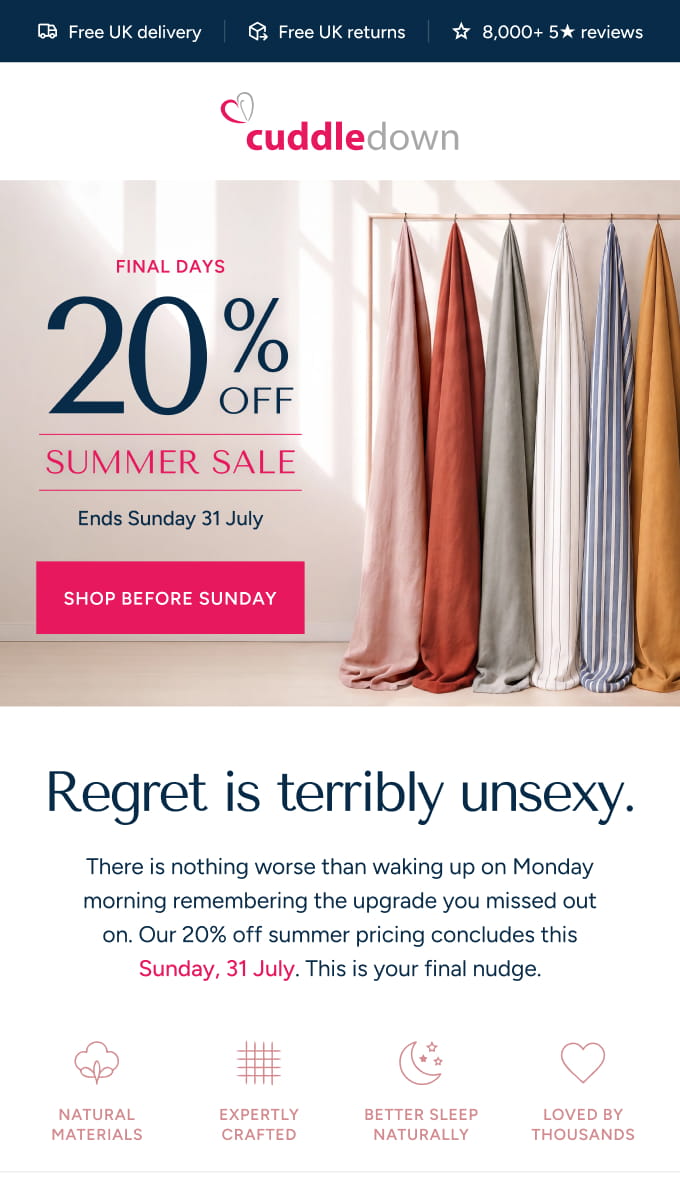
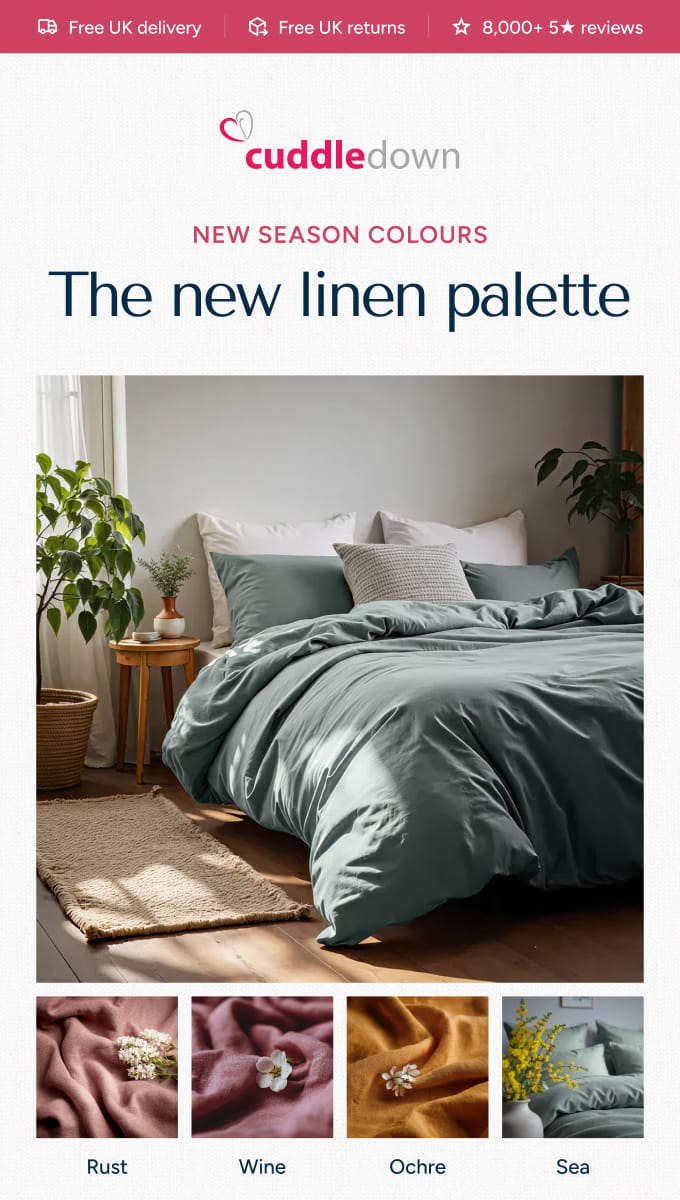
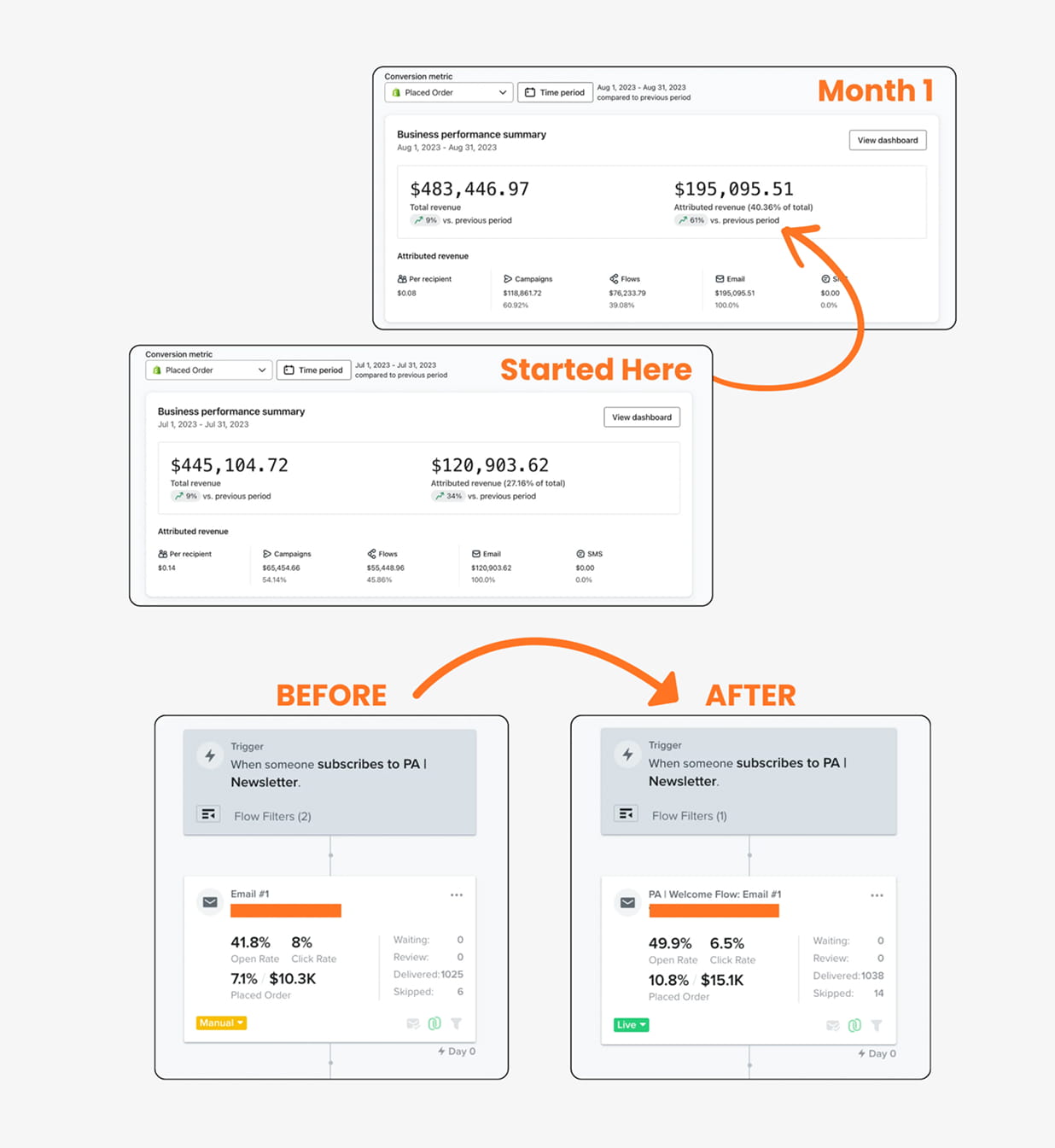
We introduced a new automated flow and developed a more sophisticated campaign strategy, with greater variety, stronger creative and improved segmentation.
This allowed the brand to generate more value from its existing audience while reducing reliance on continually acquiring new customers.
Result: Email revenue increased by approximately 20%.
Work
The Results
The Takeaway
Cuddledown didn't need more advertising.
It needed a better system for turning advertising into scalable growth.
By fixing the foundations, improving the customer journey, focusing media investment on genuine purchase intent and introducing new acquisition and retention channels, we were able to significantly increase both efficiency and scale.
The result: a luxury e-commerce brand with a much stronger, more diversified and scalable digital acquisition engine.